
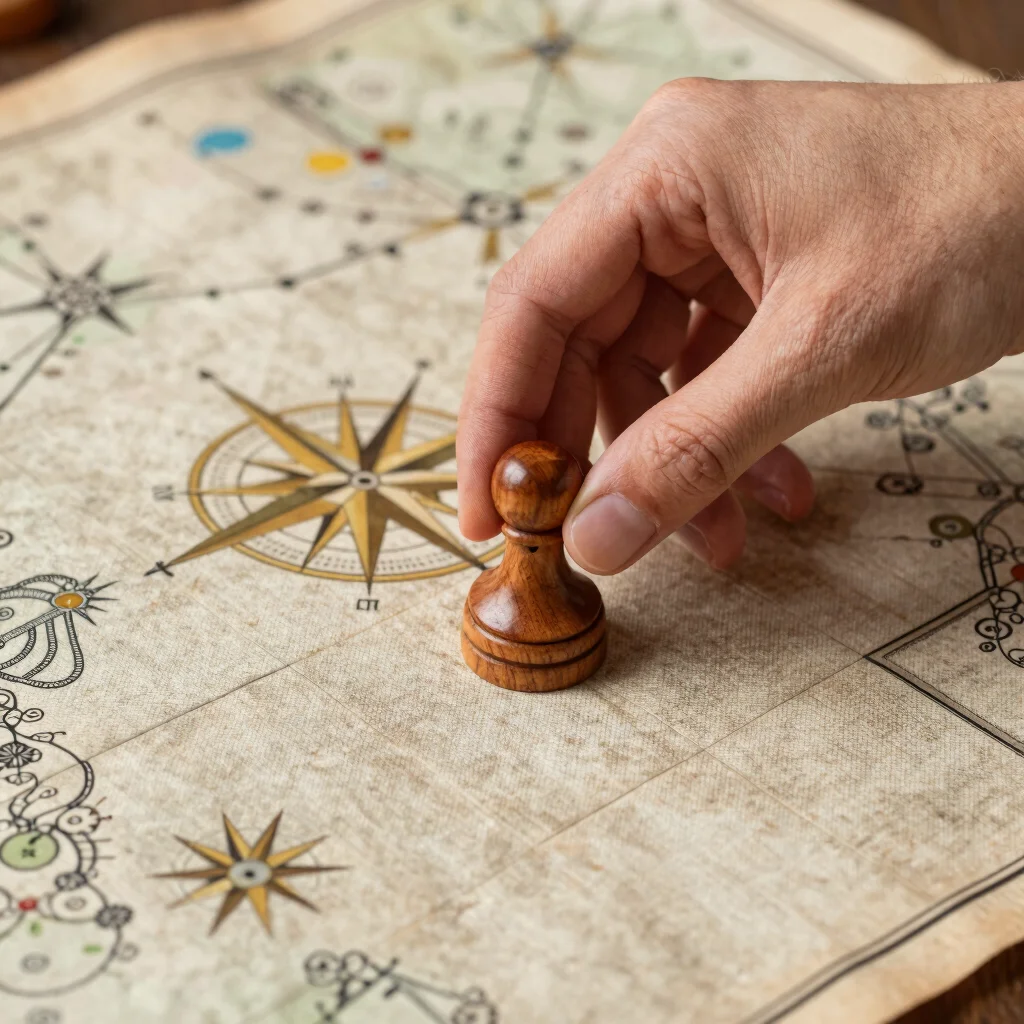
There is a quiet magic in opening a new game box and sorting its components across a polished wooden table. The sound of shuffling cards, the gentle clack of wooden markers, and the scent of fresh print create a sensory ritual that digital entertainment simply cannot replicate. Component quality is not merely decorative; it is fundamental to the player's connection to the game.
The Psychology of Weight and Feel
Humans interact with tabletop games through touch long before they make strategic decisions. Heavy punchboard tokens and linen-finish cards convey craft and permanence, signaling to players that their choices carry weight within the game world. When a player holds a substantial metal coin or a smooth oak marker, the tactile feedback reinforces the fiction of the theme.
Designing Layouts for Visual Harmony
Clarity and beauty must coexist on a board game surface. A cluttered board distracts from strategy, while an overly austere visual layout fails to inspire the imagination. By pairing clear iconography with muted parchment backgrounds and refined typography, designers can create intuitive play spaces where players focus on narrative mechanics rather than searching for missing rules.
Crafting Lasting Artifacts for the Table
A great board game is designed to endure years of play and pass down through households. Selecting durable materials and timeless aesthetic treatments ensures that the physical game remains a cherished centerpiece for countless evenings. When we honor the tabletop craft, we create experiences that feel both heritage and fresh with every setup.